We all face uphill battles, but what if the secret to overcoming them isn’t pushing harder, but slowing down?
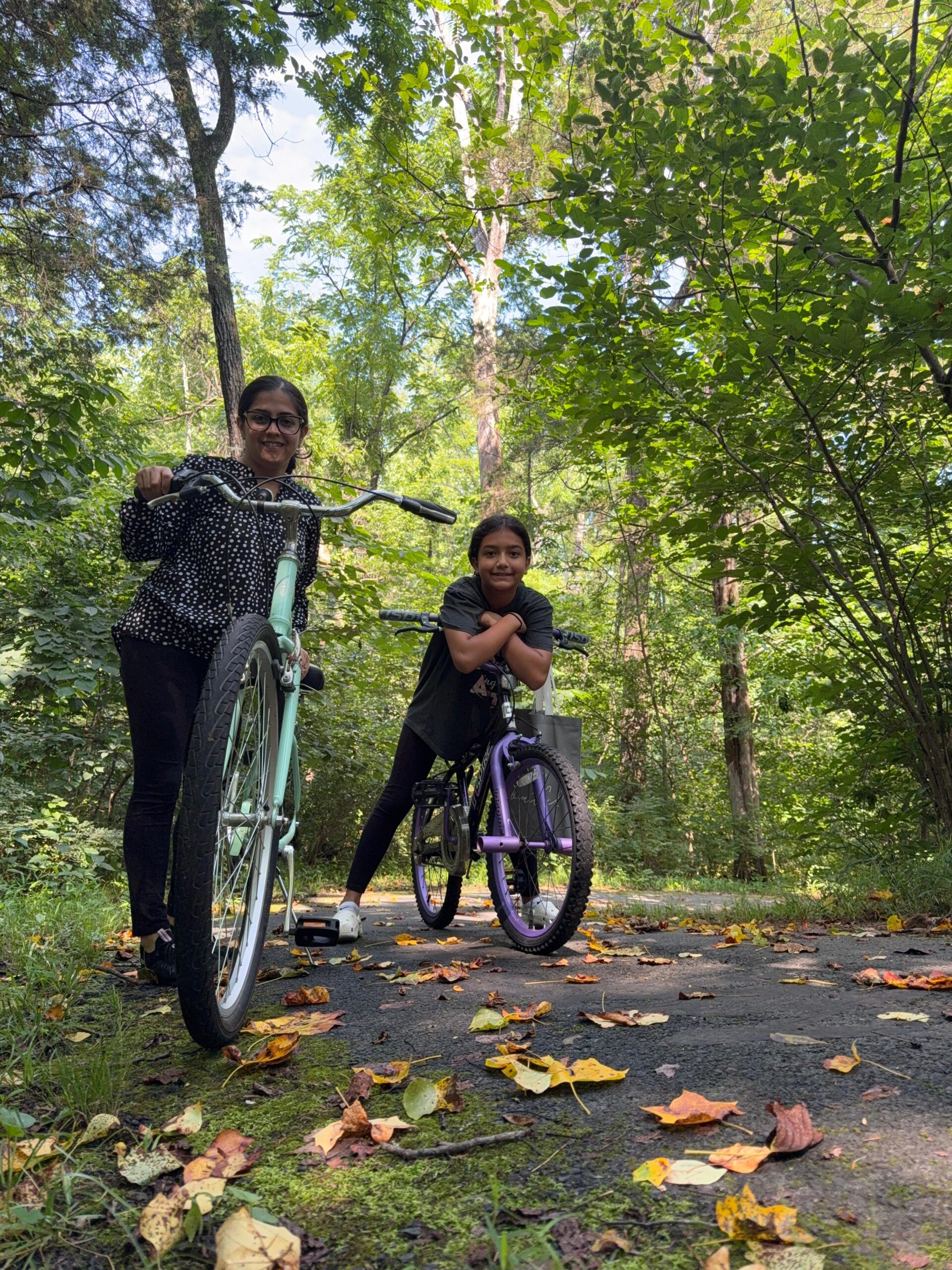
I usually bike with my daughter on weekend mornings; it’s a routine we both enjoy. This past Sunday, however, turned out to be more than just a bike ride. It became a life lesson for both of us.
We headed out early, with the sun just beginning to warm the day. But on our return, the temperature had risen to about 80 degrees. The path home was uphill, the sun beat harder, and the wind was blowing directly against us. We were already tired, but as we felt the difficulty, both of us instinctively thought, ‘Let’s just bike faster and get home quickly.’
But pushing harder made everything worse. We were completely exhausted and still far from home. That’s when I told my daughter, “If we want to make it back, we need to slow down. Let’s pedal gently but keep moving.” And we did. Slowly, steadily, we made it home.
It was in that moment that I realized: this is exactly how life works.
When we face challenges, especially multiple barriers at once, our instinct might be to push harder, move faster, force our way through. However, this often leads to burnout and frustration. True resilience comes from patience, steady effort, and listening to our limits. We don’t have to stop, but we do need to pace ourselves, trust the process, and take one thoughtful step at a time.
Sometimes, slowing down is the only way to keep moving forward.
This lesson isn’t just about biking or daily obstacles—it’s about leadership, especially for women navigating complex personal, professional, and societal challenges. In leadership, we’re often expected to push through, act quickly, and take on more than our fair share. But true resilience isn’t about force—it’s about consistency, clarity, and the courage to move forward with care. As psychologist Angela Duckworth says, “Enthusiasm is common. Endurance is rare.” Women leaders often show this rare endurance—not by pushing recklessly but by moving forward with steady purpose, even when the path is uphill and the wind is against us.
Science also supports this idea. Studies in sports and workplace performance show that pacing ourselves—rather than going full speed all the time—helps us last longer and perform better under stress. In one study, athletes who paced their effort instead of starting out too fast had better endurance and felt less exhausted. Similarly, research on workplace stress demonstrates that people who manage their energy and take steady steps forward are more focused, emotionally balanced, and productive over time.
Whether riding the bike of life or leading a team professionally, the clear lesson is this: slow and steady truly wins in the long run.
Nice write up with great lesson! Keep doing it.
Manizha Jan that is quiet a piece of writing.
One ☝️ word INSPIRED!!!
Thank you Manizha.